The Architectural Edge
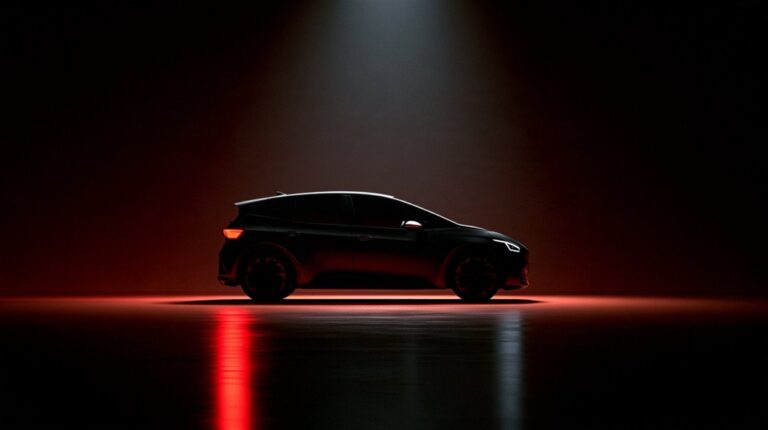
In the commoditized world of electric vehicles, most OEMs have settled for a predictable ‘skateboard’ architecture. By sandwiching battery cells beneath the floor, manufacturers gain range and interior volume, but they sacrifice the low-slung, center-of-gravity dynamics that define high-performance sports cars. Porsche’s upcoming 718 Boxster iteration marks a strategic departure from this trend, signaling a clear prioritization of brand equity over the path of least resistance.
By positioning the battery pack behind the driver rather than under the cabin, Porsche isn’t just chasing specs—they are defending their moats against a sea of heavy, elevated EVs. This engineering decision, reminiscent of Tesla’s early Roadster, achieves a 40:60 weight bias that purists will recognize, even as the vehicle weight climbs toward the 3,700-pound mark.
Monetization and the ‘E-Shift’ Strategy
For investors, the most intriguing aspect of the new 718 isn’t just the 800V architecture or the Macan-derived powertrain; it is the implementation of ‘E-Shift.’ By synthesizing mechanical vibration and auditory feedback, Porsche is solving a fundamental customer acquisition problem: the loss of emotional resonance in an electric drivetrain. While critics may dismiss this as a gimmick, from a product management perspective, it’s a necessary bridge for the high-end consumer base that demands the visceral experience of a legacy flat-six.
- Performance Density: Leveraging 800V tech to maintain 270 kW charging speeds.
- User Experience: Offering an ‘off’ switch for synthesized noise, recognizing that luxury is ultimately about control.
- Market Positioning: Balancing the weight-to-performance ratio to satisfy both track-day enthusiasts and daily drivers.
The 718 represents a hybrid identity—a cross-breed between a pure Boxster and a Carrera. In a market where competitors are racing to the bottom on price, Porsche’s move to maintain a distinct, albeit heavier, driving profile is a classic case of premium differentiation. Whether this weight gain will alienate the segment remains to be seen, but the strategy is undeniably aimed at maintaining the Porsche margin profile in an electrified future.
Read more: The Jensen Huang Comeback: How Political Intervention Reshapes Nvidia’s Enterprise Valuation
Read more: IBM’s 15‑Minute Quantum Leap: Startup Moats, Pricing Models, and the Enterprise Rush