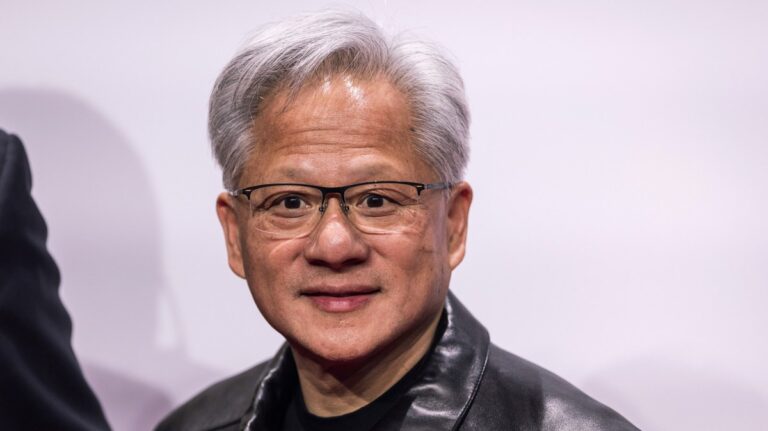
The geopolitical friction around advanced computing hardware has just reached a critical inflection point. On Monday, the U.S. Department of Commerce officially added Megaspeed, a Singapore-based entity at the center of the recent Nvidia controversy, to its Entity List. For Silicon Valley strategists and venture capitalists, this is not merely a regulatory footnote; it is a stark reminder that compliance infrastructure is now a primary determinant of enterprise adoption in the AI sector.
The Mechanics of the Blacklist: Presumption of Denial
Under the Bureau of Industry and Security (BIS) guidelines, Megaspeed and its seven affiliated entities—including MSFusion, Speedmatrix, Apex Enterprise Solutions, and Swiftdata—are now barred from obtaining U.S.-made semiconductors and related technologies without an explicit license. Crucially, the filing states that licenses will be reviewed under a “presumption of denial.” This is a significant escalation. It signals that the U.S. government is moving from a reactive stance to a proactive interdiction strategy, aiming to cut off the diversion of advanced computing commodities to unauthorized end users in specific regions.
For hardware startups and enterprise procurement teams, this creates a new layer of due diligence. The risk is no longer just about who you buy from, but the entire downstream chain of custody. If a component touches a blacklisted entity, the compliance liability can cascade back to the original supplier. This mirrors the broader trend we’ve seen in enterprise security, where consolidation efforts are being driven by the need for unified, auditable supply chains rather than just cost efficiency.
The Nvidia Nexus: Governance and Market Confidence
The timing of this action is not coincidental. It arrived the same day the Nvidia board voted to reinstate Jensen Huang as CEO, a move heavily influenced by political pressure following scrutiny of his personal relationships with executives at Megaspeed. The Justice Department is currently investigating whether Megaspeed violated U.S. export controls by shipping Nvidia chips to China. This intersection of corporate governance, personal conduct, and national security underscores a new era of risk for public tech companies.
Investors and enterprise clients are now asking harder questions about vendor neutrality and compliance posture. The reinstatement of Huang, while stabilizing Nvidia’s leadership, also highlights the vulnerability of market leaders to non-technical shocks. As we analyzed in our previous coverage, political intervention is reshaping enterprise valuation, making governance risk a quantifiable factor in cap tables.
Strategic Implications for the AI Hardware Market
For startups building on top of Nvidia’s ecosystem, this event serves as a compliance stress test. The “presumption of denial” means that any indirect relationship with a blacklisted entity could freeze a product launch or halt a deployment. This forces a shift in procurement strategies, where legal and compliance teams must have real-time visibility into the supply chain’s geopolitical exposure.
- Supply Chain Auditing: Enterprises must move beyond Tier-1 supplier contracts to verify end-use and end-user identities across the global distribution network.
- Geographic Diversification: Consideration of non-U.S. hardware alternatives may accelerate, though these often face their own regulatory hurdles and performance trade-offs.
- Compliance as a Feature: Startups that integrate robust compliance tracking into their hardware sales cycles will gain a competitive edge in enterprise procurement, where risk aversion is high.
The addition of Megaspeed to the Entity List is a clear signal that the era of loose export control enforcement is over. For the AI hardware market, this means that regulatory agility is now as valuable as raw computational power. Companies that fail to adapt their compliance frameworks will find their growth plans stalled by the very infrastructure they rely on.
Read more: The Jensen Pivot: How Silicon Valley Flexed Its Muscles to Reinstate Nvidia’s CEO